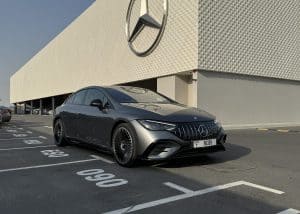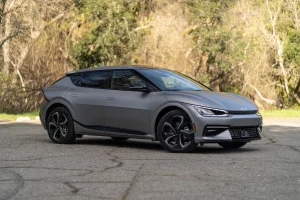
No doubt, electric vehicles (EVs) are cleaner in terms of tailpipe emissions, but research points to a potential hiccup related to battery production when comparing EVs with traditional internal combustion engine (ICE) cars. To make EVs genuinely environmentally friendly, drivers need to hit a specific mileage threshold, and here’s the catch: many U.S. households with new EVs aren’t driving them enough to offset the emissions generated during their battery production, according to a Harvard study by Ashley Nunes and Lucas Woodley.
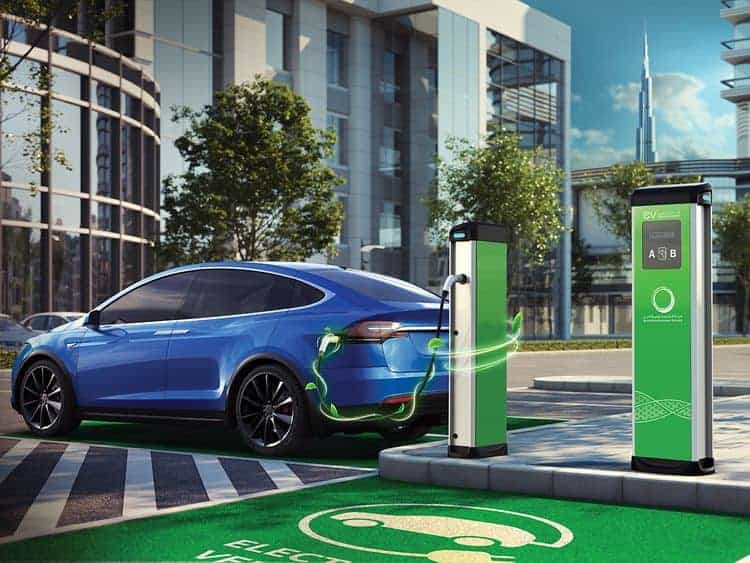
The study suggests that people who don’t drive much might actually be better off with an ICE-equipped vehicle. While ICE cars emit more CO2 throughout their lifetime, they avoid the environmentally taxing process of battery production. Ultimately, it’s all about kilometers driven; for EVs to reach their emissions-reducing potential, the sweet spot is somewhere between approximately 45,061 and 109,729 kilometers.
Harvard Gazette says:
If you’re somebody who drives a fair amount then you are likely well-suited to drive an electric vehicle,” Woodley said. “If, on the other hand, you’re someone who seldom drives, and the vehicle is mostly going to sit in the garage, then you may counterintuitively be better off owning a gasoline-powered vehicle.”
This is because the batteries that power EVs are responsible for an outsize share of emissions during the manufacturing process. Because EVs are dirtier to build but cleaner to drive, Woodley explained, they must meet certain mileage thresholds before environmental advantages are realized. In the U.S., the typical non-luxury EV needs to log between 28,069 and 68,160 miles before netting any emissions benefits.
The study also delves into government incentives for EV ownership, highlighting that these incentives often benefit wealthier individuals. The authors propose a focus on promoting used EV sales, especially since many EVs purchased as second cars see limited use. The key to reaping the environmental benefits of EVs lies in their utilization, and there are still challenges like charging infrastructure limitations holding back their widespread use, even among EV owners.
Following the Harvard study, the authors recommended incentivizing the sale of used EVs, and the Biden administration introduced tax credits for used EVs through the Inflation Reduction Act. Furthermore, they propose additional incentives for EVs that benefit workers who drive their cars enough to reach the mileage requirements necessary to realize the environmental advantages of EVs. In a nutshell, unless EV owners plan to keep their vehicles beyond approximately 111,000 kilometers, their carbon footprint may not significantly shrink from switching to fully-electric cars.
[rwp-review id=”0″]