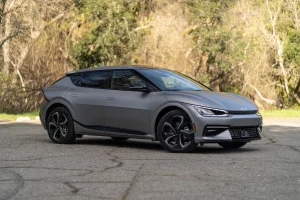
While the first electric vehicle (EV) made its debut in the U.S. back in the 1890s, it’s only recently that EV technology has gained significant traction among American drivers. Today, battery-powered models constitute approximately six percent of new car sales in the United States and about three percent of the total vehicle population.
However, as EVs become more commonplace, there is a growing number of retired electric cars, whether due to collision damage or the arrival of newer, more efficient models. Unlike traditional gasoline-powered cars, which can have their engine, transmission, body panels, and some interior materials recycled, EVs pose a unique challenge when it comes to recycling—the battery.
Within an EV battery, there are intricate cathodes made of valuable metals like lithium, nickel, and cobalt, as well as negatively-charged anodes composed of materials like graphite. These are precious and finite resources on Earth, making discarding an EV battery in the trash an unsustainable option.
Instead, companies have been exploring methods to recover and recycle these metals with the goal of using them in new batteries to power the next generation of electric vehicles. In a recent video, Zack Nelson, the YouTuber behind the JerryRigEverything channel, offers a glimpse inside one of the factories dedicated to this mission.
The video, linked above, showcases how Li-Cycle, a U.S.-based company, disassembles EV batteries into their constituent plastics and metals for recycling and reuse.
The process begins with a discarded EV battery loaded onto a conveyor, transporting it to the top of a machine. Nelson explains that the battery then undergoes a shredding process while being immersed in a special liquid to prevent mishaps.
This recycling process is both fascinating and effective, enabling up to 95 percent of the materials within an EV battery to be recovered and recycled—a noteworthy achievement given the environmental consequences of mining these materials anew.
[rwp-review id=”0″]