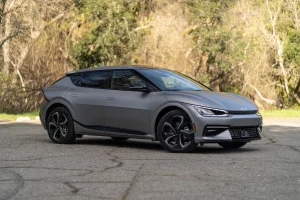
The 10 Second Review
Introducing the Polestar 2, a fully operational vehicle meticulously designed to secure Polestar’s standing in the electric vehicle (EV) sector. Its primary objective? Outpacing the Tesla Model 3 and asserting itself as a significant player in the ever-growing EV market. Originally conceived as Volvo’s racing skunkworks, Polestar has transformed into an autonomous electric subsidiary jointly owned by Volvo and the formidable Chinese automotive entity, Geely. Manufactured in China for a global audience, Polestar seamlessly combines Chinese ambition with the refined expertise of Sweden’s premium automotive industry.
Pros
- Fun to Drive
- Intuitive UI
- Robust Build Quality
- Creature Comforts
Cons
- Firm Ride
The In-Depth Review
EV, Transmission, and Performance
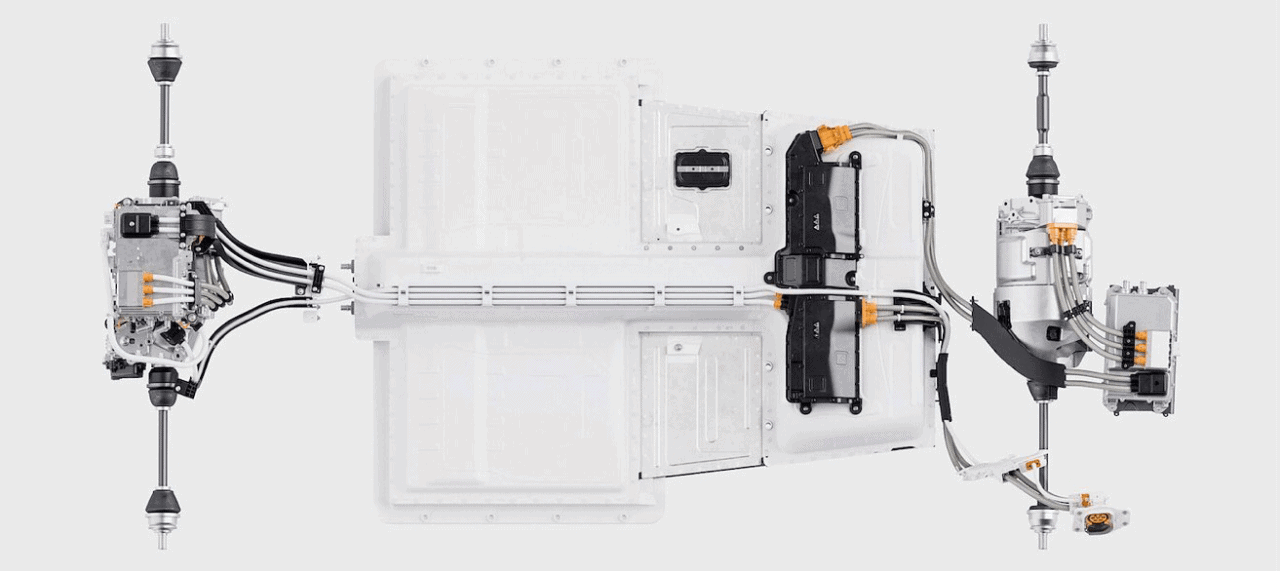
The Polestar 2 Performance pack features twin motors delivering a total of 416 horsepower and 546 pound-feet of torque. With a peak horsepower of 449, it achieves rapid acceleration, reaching 0-100 km/h in just 4.5 seconds. The Performance model includes 20-inch wheels, summer tires, enhanced suspension components for stiffness, adjustable Öhlins dampers, and upgraded Brembo front brakes. Additionally, Polestar offers three levels of regenerative braking, with the most powerful capable of halting the car without needing the brake pedal.
Interior, Comfort, and Cargo
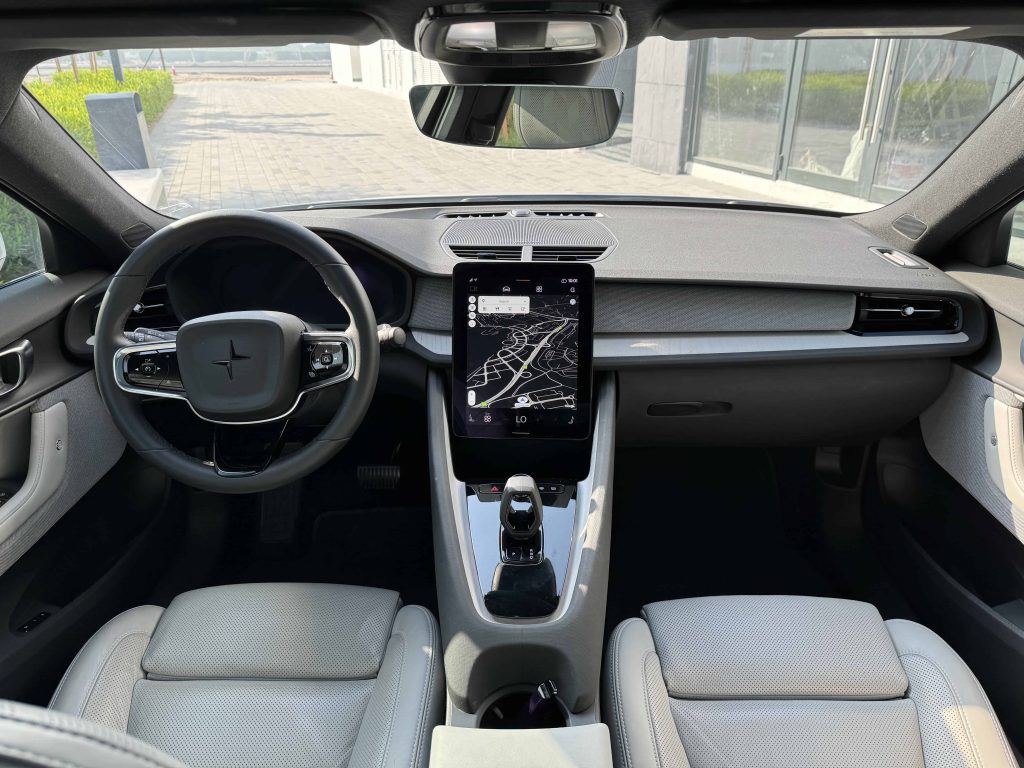
The interior of the Polestar 2 combines wood, fabric, and plastic in a straightforward yet artistic manner. It exudes a modern feel with its sleek lines, minimal color palette, and uncluttered switchgear. While adopting some elements from its Volvo counterparts, such as the steering-wheel buttons and knurled start knob, the overall design appears less busy in the Polestar 2. Aligned with its electric powertrain, Polestar adorns the interior with eco-friendly vegan fabric, though leather is an option. The power-operated liftgate reveals a moderately sized cargo space of 14 cubic feet, and for additional storage, there’s another cubic foot in the frunk.

Infotainment and Connectivity
Within the vehicle, the driver encounters a 12.3-inch digital instrument cluster and a centrally positioned portrait-oriented touchscreen reminiscent of an iPad, measuring 11.2 inches. This touchscreen, managing most functions, operates on Google’s Android Automotive OS infotainment system. The interface follows a familiar modern layout, featuring a box divided into four squares, each designated for specific app categories like navigation, phone, or audio. Polestar’s approach aims to enhance user convenience by grouping similar apps, minimizing distractions. One standout feature is the integration of Google Maps as the primary navigation system, offering valuable EV-specific information, including nearby charging stations and estimated wait times. Additional features include front and rear USB ports, standard satellite radio, and audio by Harman/Kardon.
Price tested at AED 184,900
“In its physical form, this machine is visually striking, characterized by a sharp, fresh, and clean-cut appearance, radiating a commanding presence.”